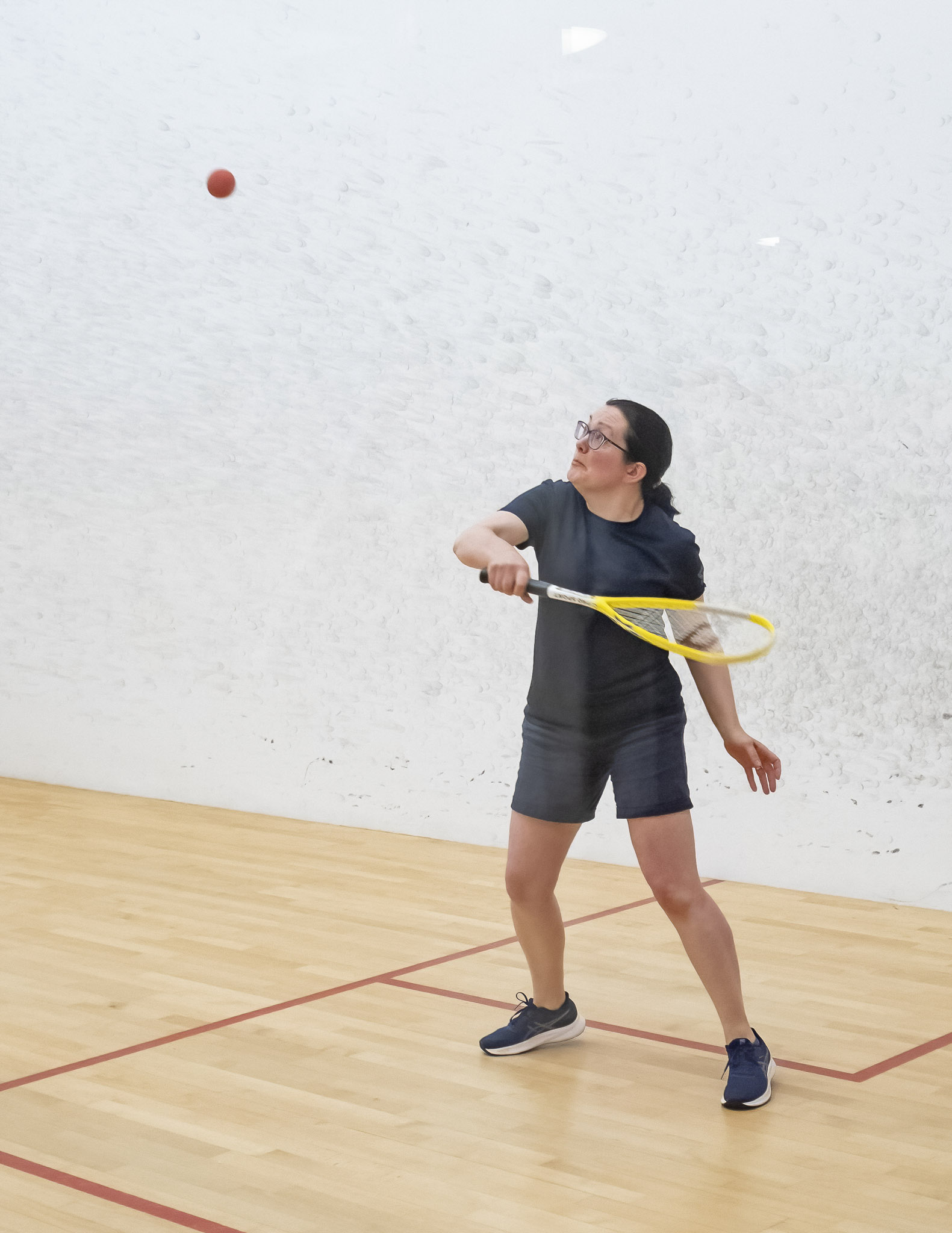
Thinking about playing squash?
Thinking about playing squash but not sure where to begin? Our comprehensive beginner’s guide has you covered! Follow the steps below to explore everything you need to know, from basic rules and equipment to tips for your first match. This guide will get you up to speed and on the court in no time.
FUN FACT: Squash is considered the healthiest sport in the world (Forbes)
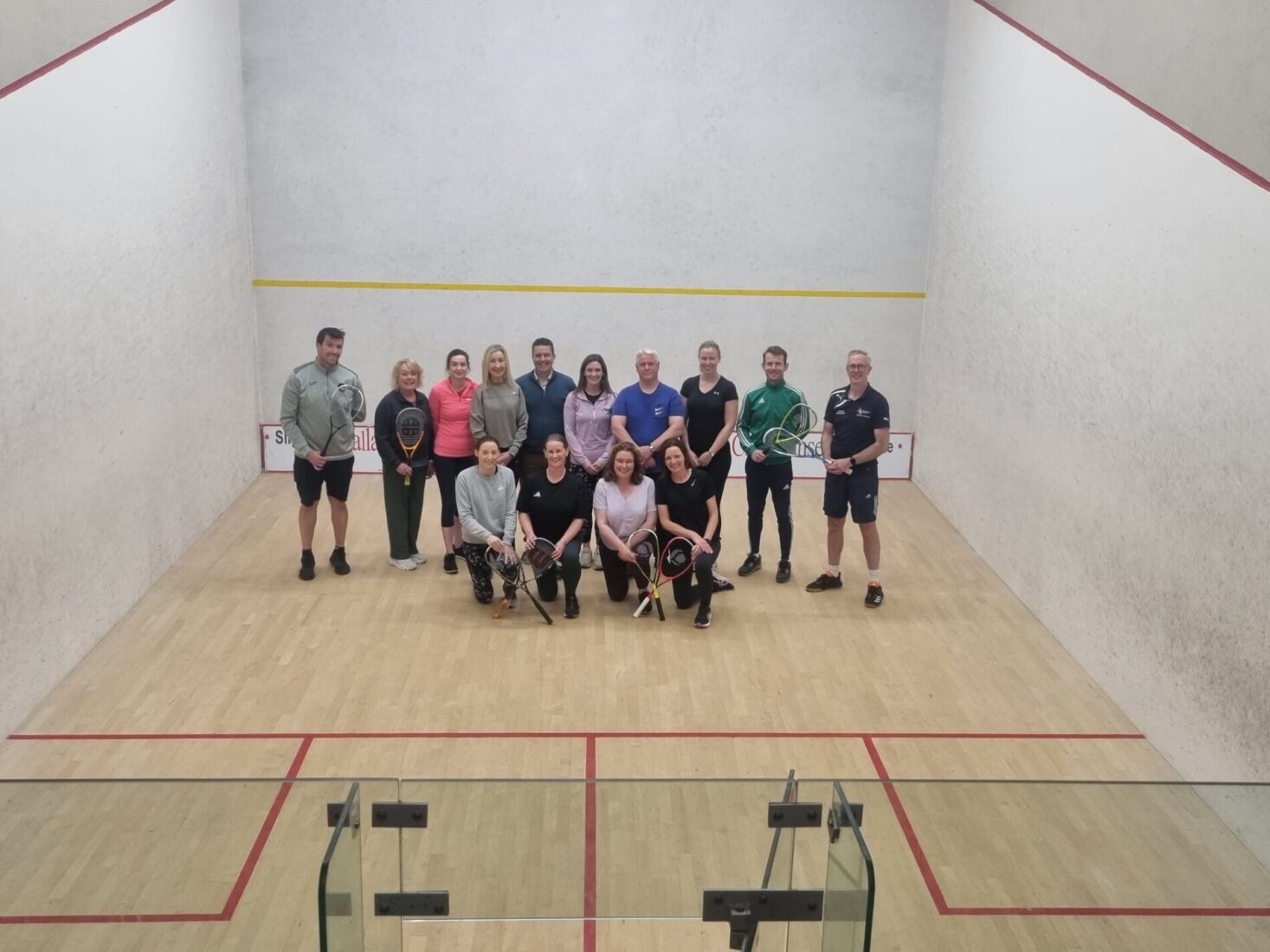
Looking to join the squash community? Our “Find a Club” section is here to help you locate a squash club near you. Whether you’re a beginner looking to start your journey or an experienced player seeking competitive matches, you’ll find the perfect club to meet your needs. Explore the options, connect with fellow players, and start enjoying the vibrant squash scene in your area!
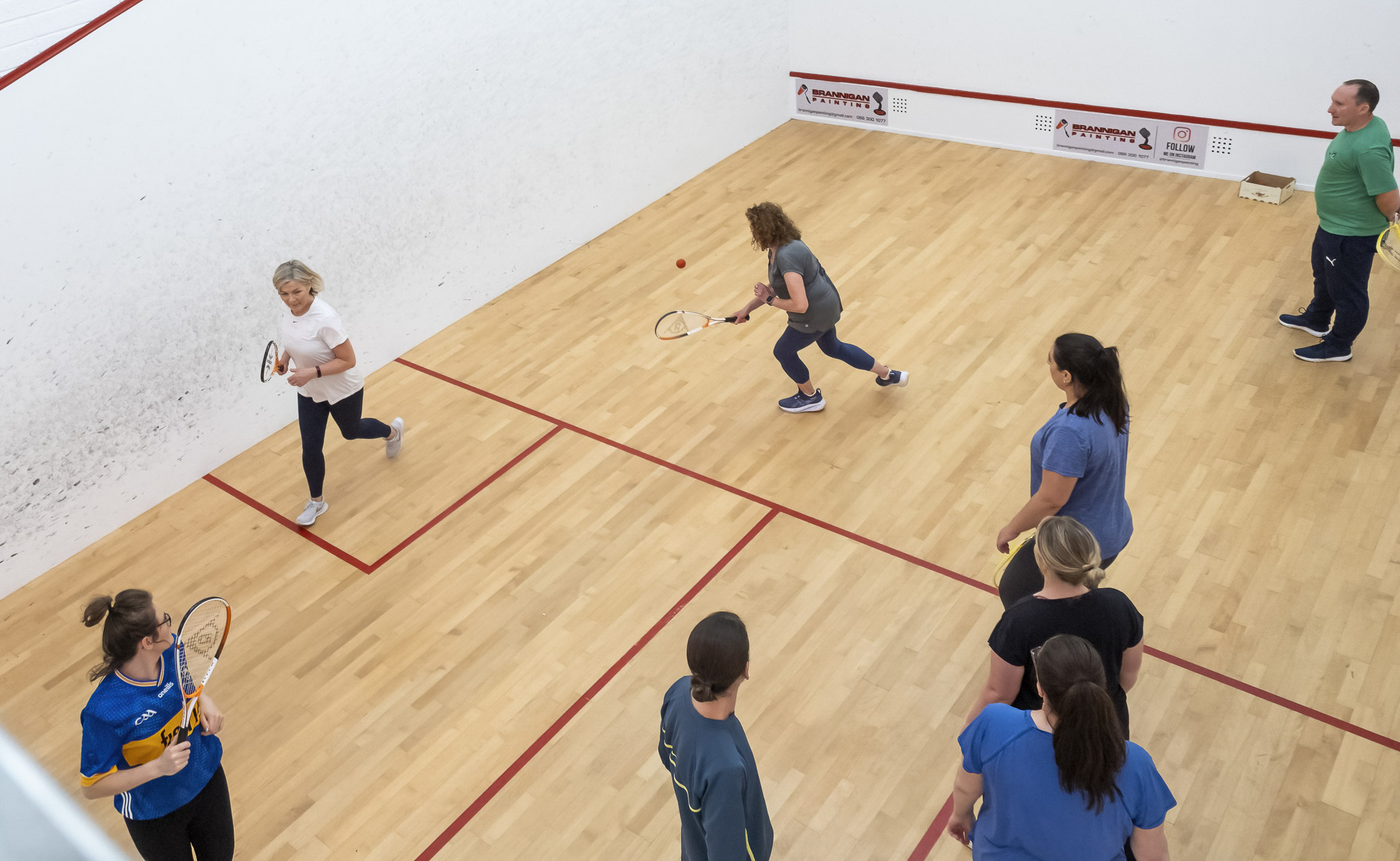
At Squash Ireland, we are dedicated to fostering the growth of squash through a variety of development programs tailored to all skill levels. Our initiatives range from grassroots programs introducing young players to the sport, to training for aspiring players. We work closely with schools, clubs, and communities across Ireland to provide coaching, resources, and opportunities that inspire participation and excellence in squash.